Understanding the Cost of Water Damage Restoration: What to Expect
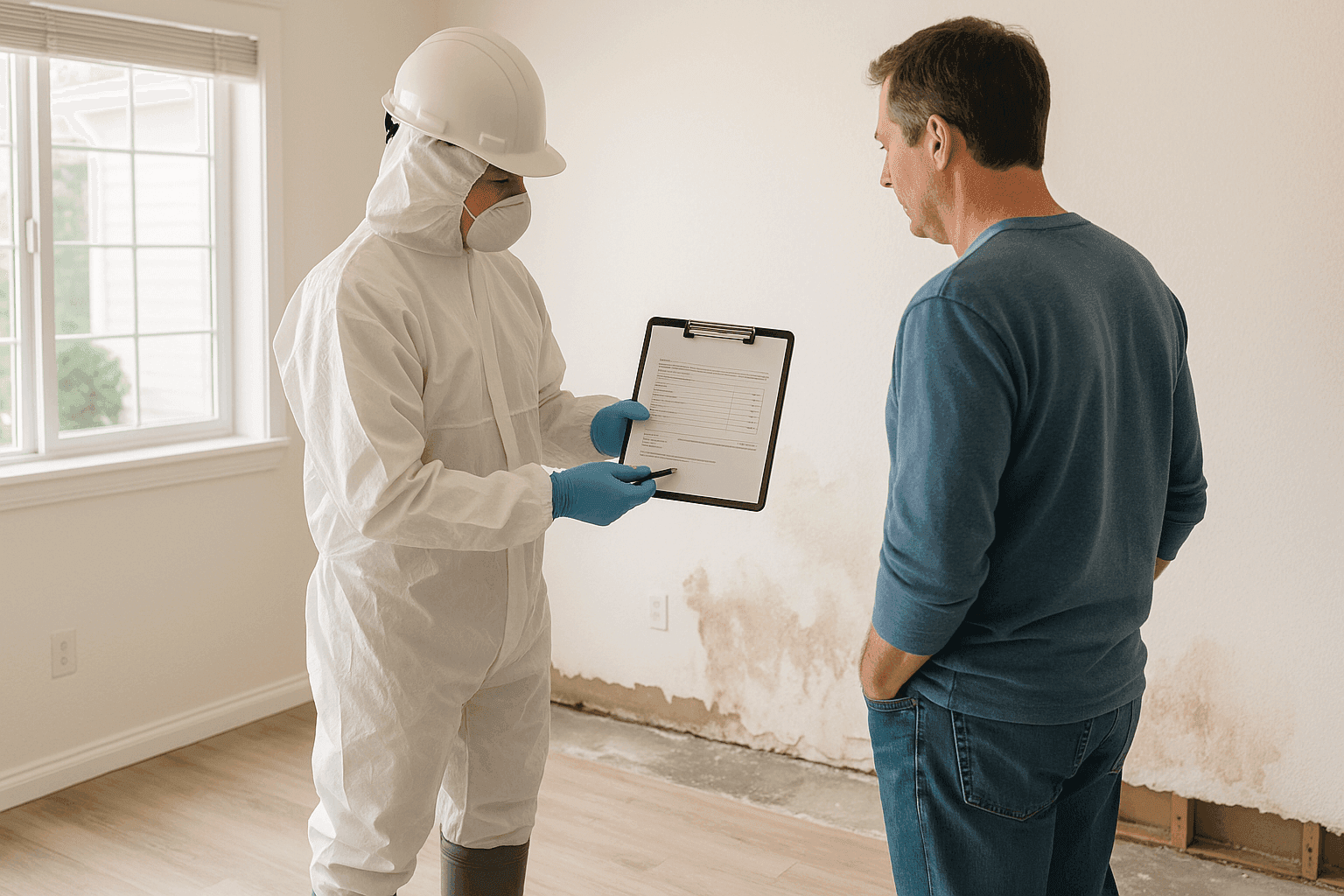
When water invades your home or business, it doesn’t knock politely. It barges in—fast, messy, and expensive. At BTP Flood & Fire, we see the stress and confusion “emergency water_damage” brings, from soggy floors to ruined keepsakes and business downtime.
Understanding what drives the cost of water damage restoration is like learning to read the weather: knowing what to expect can help you prepare, respond wisely, and avoid surprises. Let’s break down the numbers, so you can plan with confidence.
Key Cost Factors: What Shapes the Bill? 💧
Think of water damage costs as a puzzle. Each piece matters. Here are the most common variables:
- Extent of Damage: Did water pool in one room or flood an entire floor? More square footage, bigger bills.
- Type of Water: Clean water from a burst pipe costs less to fix than gray water from appliances—or black water from sewage, which requires far more safety measures (see CDC guidelines on contamination).
- Materials Impacted: Hardwood, carpeting, drywall, and insulation all have different restoration needs. Some can be dried; others must be replaced.
- Service Complexity: Disinfection, mold remediation, and structural drying? Each step adds time and cost.
- Response Time: The sooner you act, the better. Delays let damage spread, mold grow, and costs climb.
- Property Size & Layout: Tight crawl spaces or multi-level structures can add to labor and equipment needs.
- Special Hazards: Mold, asbestos, or lead mean extra safety protocols and licensed contractors.
No two disasters are the same. A small leak behind a fridge is not the same as a storm surge through your main floor.
Typical Restoration Services and What They Include
Restoration isn’t just about drying out a room. Our team at BTP Flood & Fire handles a full spectrum of needs—each with its own price tag. Here’s what may be involved:
- Water Extraction: Powerful pumps and vacuums remove standing water.
- Content Drying: Special equipment dries out furniture, documents, and belongings.
- Flooring Repair/Replacement near you: Damaged wood, tile, or carpet may need removal and replacement.
- Drywall Repair/Replacement: Waterlogged drywall often can't be salvaged.
- Disinfection & Sanitizing: Kills bacteria and prevents mold growth.
- Structural Restoration: Fixes to framing, supports, or subfloors if compromised.
- Dehumidification: Industrial dehumidifiers draw out lingering moisture.
- Debris Removal: Hauling out unsalvageable materials.
- Sewage Cleanup: Specialized cleaning and safety measures for hazardous waste.
- Mold Remediation: Identification, containment, and removal of mold colonies.
- Odor Removal: Neutralizes persistent smells left behind by dampness or contaminants.
- Temporary Power: Generators keep equipment running if utilities are down.
- Infection Control: Especially important in healthcare or high-traffic commercial spaces.
Every job starts with a thorough assessment. The right plan saves time, money, and headaches.
Insurance Considerations: What Might Be Covered?
One of the biggest questions after “How much will this cost?” is “Will insurance pay for it?” The answer: sometimes.
- Most standard homeowners’ policies cover sudden, accidental water damage (like a burst pipe).
- Flooding from natural disasters is often excluded unless you have separate flood insurance.
- Sewer backups or mold may require special endorsements.
- Commercial policies can vary even more, especially for business interruption.
Always call your insurance company promptly. Document damage with photos and save receipts for any emergency water_damage expenses. The National Flood Insurance Program (NFIP) and the Insurance Information Institute offer helpful guides on what’s typically covered.
How to Get an Accurate Estimate 📝
Getting a clear, honest estimate is essential. Here’s how to make sure you’re comparing apples to apples:
- Request a detailed breakdown: The estimate should list labor, equipment, materials, and any specialty services.
- Ask about hidden costs: Will there be charges for after-hours work or hazardous material handling?
- Factor in potential discovery: Sometimes, hidden moisture or mold only becomes visible during demolition.
- Look for certified professionals: Companies who follow IICRC standards are trained in best practices.
The more information you provide, the more accurate your estimate will be. Walk the property with your contractor. Point out every affected area—even those that seem minor.
Why Rapid Response Saves Money
Time is not your friend when it comes to water damage. Here’s why acting fast makes such a difference:
- Stops damage from spreading: Water seeps fast, turning a small problem into a big one.
- Prevents mold: Mold starts growing in as little as 24–48 hours.
- Protects structural integrity: Wood, drywall, and insulation weaken quickly when wet.
- Reduces health risks: Standing water and moisture create the perfect environment for bacteria and allergens.
A quick call to a professional can be the difference between a simple clean-up and a major renovation.
Frequently Asked Questions
Why do water damage restoration costs vary so much?
Every situation is unique. Costs depend on water source, materials affected, area size, and how long the water was present. The more complex the job, the higher the cost.
Will all my flooring or drywall need to be replaced?
Not always. If the water is clean and you act quickly, some materials can be dried and saved. Sewage or long-standing water usually means replacement.
How long does restoration take?
Small jobs may wrap up in a few days. Larger losses—especially those involving mold or structural repairs—can take weeks. Your contractor should provide a timeline with your estimate.
Can I wait to call for help if the water seems minor?
Small leaks can lead to big problems if ignored. Moisture trapped behind walls or under floors can cause hidden damage and health issues. When in doubt, call for a professional assessment.
Local and Seasonal Considerations 🌧️
Certain times of year bring higher risks. Heavy rains, melting snow, or hurricanes can mean more calls for emergency water_damage help. Local building codes (consult your city or county guidelines) also impact what repairs are required or how soon restoration must begin.
For businesses, proximity to rivers, basements, or aging infrastructure can raise risk. Residential clients in older homes may face extra challenges with outdated plumbing or foundations that let in water.
Final Thoughts: Planning Ahead
Water damage is never planned, but you can be prepared. Keep emergency contacts handy. Know where your main water shut-off valve is. Review your insurance policy once a year. And if disaster strikes, know that BTP Flood & Fire is ready around the clock with the experience and transparency you deserve.
Call BTP Flood & Fire now — or reach us anytime at 877-772-9182 .