How to Detect Hidden Water Damage in Your Home or Business
Water doesn’t knock before barging in. It seeps, hides, and spreads quietly—behind walls, under floors, and above ceilings. By the time you spot a puddle, the real trouble might already be brewing out of sight.
At BTP Flood & Fire, we see firsthand the headaches and heartaches hidden water damage causes for families and businesses. Knowing what to look for is your best defense. Let’s walk through the subtle signs, the tools of the trade, and what you can do—before a trickle turns into a disaster.
Common Signs of Concealed Damage 🕵️
Hidden water damage is like an unwelcome guest: silent, persistent, and messy. It rarely announces itself with a splash. Instead, watch for these quiet signals:
- Musty smells: If a room smells like an old basement, trust your nose. Mold and mildew lurk where water hides.
- Stains or discoloration: Yellowish or brownish spots on ceilings, walls, or floors often mean water has snuck in.
- Bubbling paint or wallpaper: Paint that peels or blisters signals moisture beneath the surface.
- Warped or buckling floors: Hardwood and laminate swell or lift when water seeps underneath.
- Sudden spikes in your water bill: Unexplained increases point to leaks you can’t see.
- Visible mold growth: Mold loves darkness and dampness—places you rarely check.
- Unusual sounds: Dripping, trickling, or creaking could be more than just old pipes settling.
Each of these clues is like a breadcrumb—follow them, and you might find the source before it grows into a much bigger mess.
Tools for Detection
You don’t need X-ray vision, but the right tools make a difference for both DIYers and professionals:
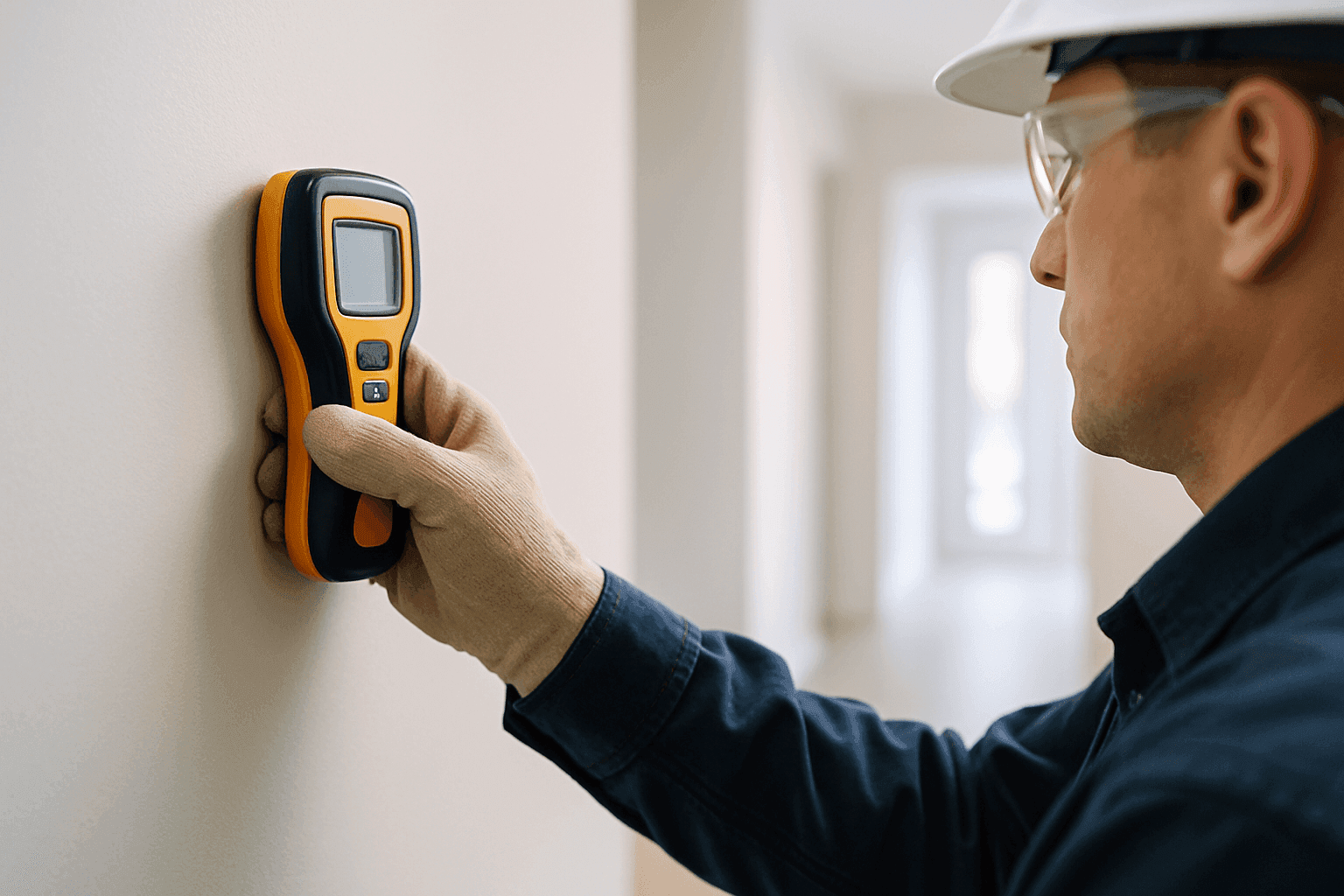
- Moisture meters: These gadgets measure how much water is inside building materials. It’s like a thermometer, but for dampness.
- Thermal imaging cameras: These see temperature differences behind walls, floors, and ceilings. Cold spots can signal wet areas, showing you what your eyes can’t.
- Hygrometers: Measure humidity levels in the air—high readings can mean hidden moisture.
- Flashlights and inspection mirrors: Sometimes, a good light and a mirror on a stick help you peek into hard-to-reach places.
- Borescopes: Small cameras on flexible cables, letting pros look inside wall cavities without tearing everything open.
The right approach depends on what’s accessible, how long the leak has gone undetected, and whether you’re dealing with clean water or something more dangerous, like sewage.
When to Seek Expert Help
Some situations are best left to professionals—especially when it comes to emergency water_damage. Here’s when to call BTP Flood & Fire, or a similar team near you:
- You suspect mold but can’t see it: Mold can be harmful, especially for children, seniors, or anyone with breathing issues.
- There’s sewage involved: Wastewater is a serious health hazard. Never try to clean it yourself.
- The leak won’t stop: If you can’t find or fix the source, don’t let water keep spreading.
- The damage is widespread: If multiple rooms or structural elements are affected, trained restoration crews have the equipment and know-how to handle big jobs safely.
- You smell electrical burning or see sparks: Water and electricity are a dangerous mix. Get everyone out and call for help.
Why Early Detection Matters
Unchecked water damage is more than an eyesore. Over time, it can:
- Weaken framing and drywall: Like leaving cardboard in the rain, wood and gypsum crumble when wet.
- Create perfect conditions for mold: Mold isn’t just ugly—it can cause allergy flare-ups, asthma attacks, and structural problems.
- Attract pests: Damp wood draws termites, carpenter ants, and other unwelcome critters.
- Compromise electrical systems: Water behind walls can short out wiring, increasing fire risk.
According to the Institute of Inspection, Cleaning and Restoration Certification (IICRC), acting within the first 24–48 hours is crucial to minimize long-term damage and health risks.
What the Pros Do On Arrival
When BTP Flood & Fire’s team shows up, we don’t start with sledgehammers. Here’s our playbook:
- Rapid assessment: We use moisture meters, thermal cameras, and our trained eyes to find the moisture’s path.
- Containment: We seal off affected areas to prevent mold spores or contaminants from spreading.
- Water extraction: Powerful pumps and vacuums pull out standing water fast.
- Structural drying and dehumidification: Industrial fans and dehumidifiers remove moisture from air and materials.
- Sanitizing and disinfection: We clean and treat surfaces to prevent mold and bacteria.
- Restoration: Once dry, we repair or replace damaged drywall, flooring, framing, and more—making your space safe again.
Every emergency water_damage job is different, but the tools, training, and swift action make all the difference.
Prevention & Maintenance
Stopping water damage before it starts is always easier on your wallet and your nerves. Here’s how:
- Inspect plumbing regularly: Look under sinks, behind toilets, and around water heaters for leaks.
- Maintain your roof and gutters: Clear leaves and debris, especially after storms.
- Monitor basement humidity: Use a dehumidifier to keep moisture levels in check.
- Seal windows and doors: Cracked seals let in rain and humidity.
- Test your sump pump: Especially before the rainy season.
- Know your shut-off valves: In an emergency, being able to stop water flow can save thousands in repairs.
For businesses, consider regular maintenance contracts to ensure compliance with local building codes and safety guidelines from organizations like the National Fire Protection Association (NFPA) and the Occupational Safety and Health Administration (OSHA).
Costs & Time Factors
How much and how long? That depends on several things:
- Extent of damage: A small leak caught early might just need drying and patching. Widespread damage could require new flooring, drywall, and even structural repairs.
- Type of water: Clean water is easier (and cheaper) to fix than sewage or stormwater.
- Area affected: One room? A whole building? The bigger the area, the more time and cost.
- Materials: Specialty flooring or custom drywall will take longer to replace.
Most emergency water_damage jobs take anywhere from a few days to several weeks from start to finish, depending on the details. It’s always better (and less expensive) to catch problems at the drip, not the flood.
When It’s an Emergency
Some water issues just can’t wait:
- Water is pooling rapidly inside.
- There’s visible mold or a strong musty smell.
- Sewage is present.
- You see water near electrical outlets or panels.
- Ceilings or walls are bulging or sagging.
If any of these happen, don’t delay. Safety first—evacuate if you need to, then call for 24/7 emergency water_damage help.
FAQ
How fast does mold start to grow after water damage?
Mold can begin within 24–48 hours, according to the Environmental Protection Agency (EPA).
Is hidden water damage covered by insurance?
Often yes, if it’s sudden and accidental. Long-term neglect or lack of maintenance may not be. Always check your policy details.
Can I fix hidden water damage myself?
Small, localized spots—maybe. But anything involving structural repairs, sewage, or widespread dampness needs professional attention.
What’s the most common cause of hidden water damage?
Leaking pipes, faulty appliances, and roof leaks top the list—especially in older homes or after severe weather.
Local and Seasonal Considerations 🌧️
Every region has its water woes. In coastal areas, hurricanes and storm surges can sneak water into basements and crawlspaces. In colder climates, frozen pipes often burst when thawing. Spring brings heavy rains and rising groundwater almost everywhere.
After any major weather event, do a quick inspection—especially in basements, attics, and around windows and doors. Even if you don’t see a puddle, follow your nose and keep an eye out for new stains or warping.
Take Action Before It Gets Worse
Hidden water damage is a silent threat, but you’re not powerless. If you spot any of the warning signs—or just want peace of mind—BTP Flood & Fire is always ready. From Flooring Repair/Replacement near you, to advanced moisture mapping, mold remediation, and 24/7 emergency water_damage response, our team has you covered.
Call BTP Flood & Fire now — or reach us anytime at 877-772-9182 .