Emergency Water Damage Guide: What to Do Before Help Arrives
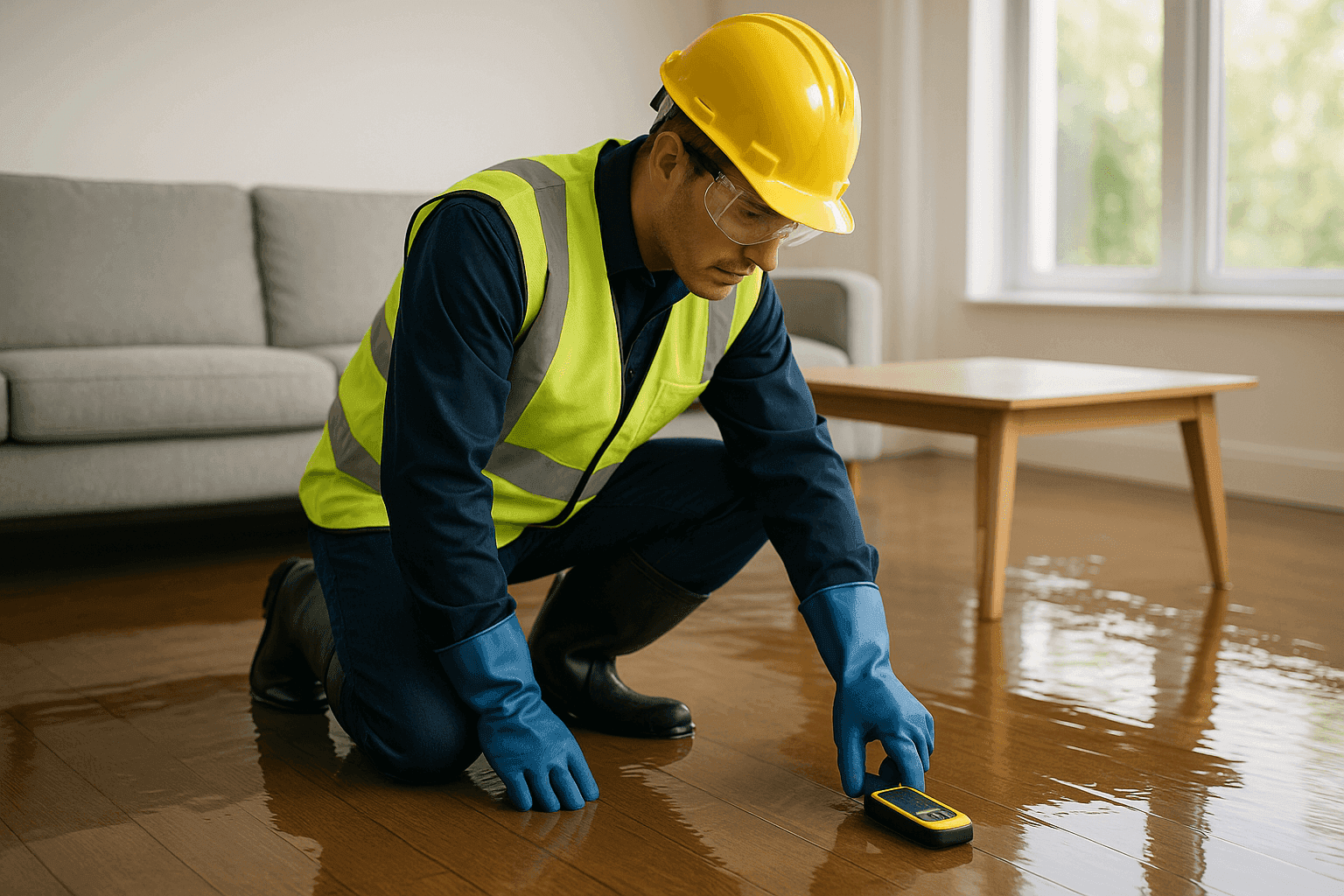
When water barrels through your doorway or leaks across your ceiling, panic is natural. Floors soak, walls stain, and your belongings suddenly feel fragile. In these moments, every second ticks with urgency.
At BTP Flood & Fire, we understand how overwhelming emergency water_damage can be—whether it’s your family home or a commercial space you’ve built from the ground up. This guide puts you in control, offering practical, safety-first steps to protect what matters most before help arrives.
Immediate Safety Steps 🚨
Water can be sneaky. It seems harmless, but the risks are real—think live wires, slippery floors, even hidden mold. Take these steps first, like a firefighter sizing up a blaze before charging in:
- Turn off electricity at the breaker if water is near outlets, appliances, or your electrical panel. Never wade through water with live power. The U.S. Fire Administration recommends this as a first defense against shock or fire.
- Shut off your main water supply to stop the flow. Not sure where it is? Usually, it’s in the basement, crawlspace, or near the street.
- Keep clear of sewage or chemical-contaminated water. These can harbor bacteria and toxins. If in doubt, stay out.
- Watch your step. Wet floors can be as treacherous as black ice. Move slowly and wear sturdy shoes.
- Alert others. Get children, pets, and anyone at risk out of the affected area.
Remember—no possession is worth risking your safety. If you feel unsafe, leave and wait for professionals.
Protecting Belongings
Think of water like spilled paint—it seeps, stains, and spreads fast. But a few quick moves can make a big difference:
- Lift rugs, furniture, and valuables. Place aluminum foil or wood blocks under furniture legs to prevent stains and swelling.
- Move electronics, documents, and heirlooms to a dry, secure spot. Prioritize irreplaceable items.
- Remove wet cushions, bedding, and curtains for drying in a safe area.
- Open drawers and cabinets to help them dry out and prevent warping.
- Document everything. Take clear photos and videos of damage. Insurance companies often require visual proof for claims.
Acting fast here won’t just save your stuff—it could save you hours of headaches later.
Reducing Further Damage
Water doesn’t stand still. Neither should you. Here’s how to slow its spread:
- Mop and blot. Use towels or a mop to soak up standing water. Avoid using a household vacuum—it’s not built for water and can be dangerous.
- Ventilate the area with fans and open windows, if weather allows. Fresh air helps dry things out.
- Move debris out. Clear away soaked papers, boxes, or insulation to speed up drying and reduce mold risk.
- Moisture mapping matters. If you have a moisture meter, use it to check how far the water has traveled. Otherwise, note any damp spots—this helps pros later.
Remember, mold can begin growing in as little as 24–48 hours, according to the Environmental Protection Agency (EPA).
When to Call Professionals
Some jobs are DIY-friendly. Emergency water_damage isn’t one of them. Here’s when you absolutely need expert help:
- Flooding from sewage, stormwater, or contaminated sources.
- Significant electrical or structural damage. If walls, floors, or ceilings sag or crack, get out and call for help.
- Unusual odors or visible mold growth.
- Water damage in hard-to-reach places like behind walls, under floors, or in crawlspaces.
BTP Flood & Fire offers 24/7 rapid response for all types of emergency water_damage, from Flooring Repair/Replacement near you to complete structural restoration.
DIY vs. Call a Pro
It’s tempting to roll up your sleeves and take charge. For small spills or localized leaks, you might manage with towels and a fan. But for anything more, here’s why the pros make a difference:
- Specialized tools. Industrial extractors, moisture meters, dehumidifiers, and HEPA-filtered air scrubbers do what household gadgets can’t.
- Thorough moisture mapping to spot hidden wet zones that lead to mold and rot.
- Certified disinfection and sanitizing following IICRC and CDC guidelines.
- Safe debris removal and content restoration—especially for electronics, upholstery, and valuables.
DIY can help in the first hour, but for full cleanup and peace of mind, it’s best to call in the cavalry.
What Pros Do On Arrival
When BTP Flood & Fire’s team arrives, the whirlwind begins—methodical and calm:
- Assessment. We inspect, identify hazards, and prioritize safety.
- Water extraction. Using high-powered pumps and vacuums, standing water disappears fast.
- Moisture mapping and thermal imaging check every nook for hidden dampness.
- Drying and dehumidification with industrial equipment.
- Sanitizing and disinfection to stop bacteria and mold in their tracks.
- Structural repairs—from Flooring Repair/Replacement near you to drywall and framing.
- Content restoration for furniture, electronics, and personal items.
- Odor removal so your space smells fresh again.
Our job isn’t done until your property is clean, safe, and on the path to complete recovery.
Prevention & Maintenance
A little prep now saves big trouble later. Here’s how to stay a step ahead:
- Inspect plumbing and appliances annually. Look for leaks, corrosion, and loose hoses.
- Install water leak detectors—they sound an alarm when trouble starts.
- Keep gutters and downspouts clear to direct rainwater away from your building.
- Seal foundation cracks to stop groundwater from seeping in.
- Know your shut-off valves and test them regularly.
FEMA’s Ready.gov site offers more tips on emergency readiness for homes and businesses.
Costs & Time Factors
Emergency water_damage restoration isn’t one-size-fits-all. Costs and timelines depend on:
- The amount and type of water (clean, gray, or black/sewage).
- Square footage affected.
- Type of materials soaked (carpet, hardwood, drywall, framing).
- Extent of structural repairs needed.
Simple cases might take a few days. Major flood or mold remediation can stretch to weeks. Insurance may cover some or all costs—documentation is key.
When It’s an Emergency
Not sure if it’s urgent? Here are red flags that mean you need immediate help:
- Electrical outlets or panels underwater.
- Flooding from storms, sewage, or burst pipes.
- Strong, musty, or chemical odors.
- Rapidly rising water or visible structural damage.
In these cases, don’t wait. Your safety—and your property’s future—depends on swift action.
FAQ
How soon does mold start growing after water damage?
Mold can begin within 24–48 hours, especially if the area stays damp and warm.
Should I try to clean up sewage water myself?
No. Sewage contains dangerous bacteria and viruses. Professional teams have the right equipment and protective gear.
Will insurance cover emergency water_damage?
Policies vary. Most require proof, so take photos, keep receipts, and contact your agent as soon as possible.
Can I use my shop vacuum to remove water?
Only if it’s rated for wet use and there’s no risk of electric shock. Never use standard household vacuums.
Local/Seasonal Considerations 🌧️
Water damage isn’t just a winter or storm season issue. Burst pipes can happen when temperatures drop. Heavy rains can overwhelm drains in spring. Even a faulty appliance can cause trouble year-round.
If you’re in an area prone to flooding or severe weather, consider a sump pump and backup power. For businesses, regular facility checks and employee training can make all the difference.
When every minute counts, don’t face emergency water_damage alone. Call BTP Flood & Fire now — or reach us anytime at 877-772-9182 .