24/7 Emergency Water Extraction: Why Rapid Response Matters
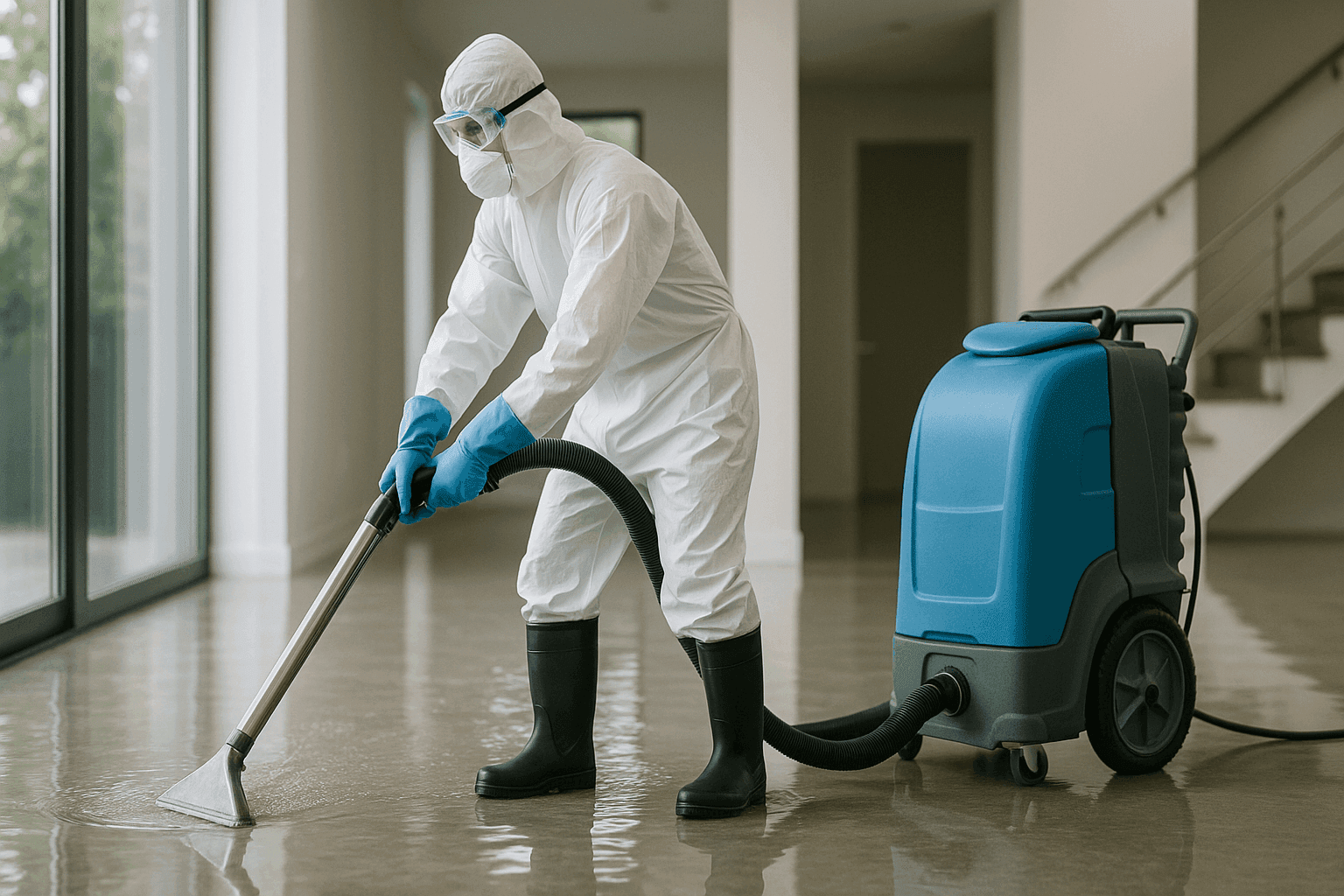
When water invades your home or business, panic often follows. Carpet squishes underfoot, drywall sags, and that unmistakable musty smell begins to creep in. You need answers—fast.
At BTP Flood & Fire, we know the clock is ticking. Whether it’s a burst pipe at midnight or stormwater pooling in your office, every minute standing water stays, damage snowballs. Our team is ready 24/7, because waiting is not an option when your property and health are on the line.
Why Speed is Critical ⏱️
Think of water damage like a spreading wildfire. In the first hour, water seeps deep into floors, walls, and valuables. By hour 24, mold spores can gain a foothold. Within days, even the building’s structure risks permanent harm.
The Environmental Protection Agency (EPA) stresses that mold can begin growing in just 24-48 hours after water intrusion. Fast action is your best shot at preventing rot, electrical hazards, and costly repairs. For both homes and businesses, acting quickly with emergency water_damage response can mean the difference between a minor setback and a major catastrophe.
What to Expect from Rapid Response
You call. We answer—any time, any day. Here’s how BTP Flood & Fire brings calm to chaos:
- Immediate dispatch: Our team mobilizes fast, arriving with specialized gear for water extraction, moisture mapping, and safety assessment.
- Safety first: We check for electrical hazards, contaminated water, and structural instability before setting foot inside.
- Clear communication: We explain every step, so you aren’t left in the dark during a stressful time.
Whether you’re searching for Flooring Repair/Replacement near you or need full structural restoration, we tailor our response to your unique situation.
Professional Extraction Methods
Removing water isn’t just mopping up puddles. It’s more like surgery than cleanup. Here’s what sets professional emergency water_damage service apart:
- High-powered extraction: Industrial vacuums, submersible pumps, and truck-mounted systems remove gallons in minutes.
- Moisture mapping: Infrared cameras and hygrometers detect hidden water in walls, ceilings, and subfloors.
- Dehumidification: Commercial dehumidifiers and air movers pull moisture from the air and deep within materials.
- Sanitizing and disinfection: EPA-registered solutions eliminate bacteria, viruses, and mold spores.
- Odor removal: Advanced filtration systems target stubborn smells left behind by water and sewage.
- Structural drying: Focused airflow restores framing, drywall, and flooring to safe moisture levels.
Every step follows standards from the Institute of Inspection Cleaning and Restoration Certification (IICRC) and guidelines from the Centers for Disease Control and Prevention (CDC), especially when bacteria or sewage is involved.
Risks of Delayed Action
Procrastination is water damage’s best friend. Here’s what’s at stake if you wait:
- Mold and mildew: Once they take hold, they spread fast and can trigger allergies, asthma, and worse.
- Structural decay: Water weakens wood framing, warps floors, and erodes drywall.
- Electrical hazards: Water and electricity are a dangerous mix—delays can risk fire or shock.
- Content loss: Family heirlooms, important documents, and business equipment often can’t be salvaged if water sits too long.
- Infection risk: Standing water, especially from sewage, becomes a breeding ground for bacteria and viruses.
The longer you wait, the more the cleanup will cost—and the more you stand to lose.
Equipment Used by Pros
Professional water extraction is powered by serious equipment, including:
- Truck-mounted extractors: For rapid water removal and deep cleaning.
- Submersible pumps: Move thousands of gallons per hour.
- Air movers: Direct high-velocity airflow to dry surfaces quickly.
- Dehumidifiers: Pull moisture from the air to prevent mold.
- Moisture meters: Ensure building materials are truly dry before repairs start.
- Personal protective equipment (PPE): From gloves to respirators, keeping everyone safe is priority one.
Safety Protocols: Your Quick Checklist
Before anyone begins extraction—yours or ours—safety comes first:
- Shut off electricity in affected areas if safe to do so
- Avoid wading through standing water, especially if it may be contaminated
- Move valuables to a dry area
- Use proper PPE (gloves, masks) if you must enter
- Never touch electrical equipment or outlets in wet areas
- Close off the area to children and pets
DIY vs. Call a Pro
It’s tempting to grab a mop and tackle the flood on your own. Small spills can sometimes be handled with towels and a shop vac, but for anything more:
- Hidden water: Most DIY methods miss water trapped inside walls, under floors, or in insulation.
- Specialized drying: Household fans and dehumidifiers can’t match professional speed or reach.
- Contaminated water: Any sewage or floodwater demands professional disinfection—improper handling is dangerous.
- Insurance claims: Restoration documentation from a pro speeds up claims and ensures work meets code.
When in doubt, call a professional emergency water_damage service. The stakes are just too high.
What Pros Do on Arrival
Here’s a behind-the-scenes look at what happens when BTP Flood & Fire steps in:
- Assessment: We use moisture meters, thermal imaging, and visual inspection to map out the full extent of water intrusion.
- Water extraction: Pumps and extractors remove standing water, fast.
- Material removal: Ruined drywall, carpet, and debris are safely hauled away.
- Sanitizing: All surfaces, even those not visibly affected, are treated with EPA-approved disinfectants.
- Drying: Industrial air movers and dehumidifiers run non-stop until humidity and moisture readings hit safe levels.
- Ongoing monitoring: Daily checks ensure hidden moisture doesn’t linger.
- Repairs and restoration: Flooring Repair/Replacement, framing repair, and drywall replacement are handled to bring your property back to pre-loss condition.
Long-Term Benefits of Acting Fast
- Lower repair costs: Quick action means fewer materials need replacement.
- Preserved property value: Fast drying prevents structural warping and mold, protecting your investment.
- Healthier environment: Eliminating moisture and contaminants keeps your family, staff, or tenants safe.
- Faster return to normal: The sooner drying begins, the sooner life and business get back on track.
Costs & Time Factors
Water damage restoration isn’t one-size-fits-all. Costs and timelines depend on:
- Extent of flooding: More water means more work.
- Type of water: Clean water is less expensive to handle than gray or black (sewage) water.
- Materials affected: Hardwood floors, drywall, and insulation each dry at different rates.
- Size of property: Larger spaces take longer to dry and repair.
- Access to power: Temporary power may be needed for equipment if electricity is out.
A minor incident may be resolved in a day or two. Major events—especially those involving structural or content restoration—can take a week or more.
When It’s an Emergency
Not all water damage is created equal. It’s an emergency if:
- Water is still flowing (burst pipe, active leak)
- Sewage or contaminated water is present
- Water is near electrical outlets or wiring
- Mold is visible or suspected
- Structural materials (beams, floors) are saturated
If any of these apply, don’t wait. Emergency water extraction is the only safe option.
FAQ: Emergency Water Extraction
How do I know if I need professional water extraction?
If water covers more than a small area, is soaking into walls or floors, or comes from an unknown or contaminated source, it’s time to call in pros.
Can water damage come back after drying?
If moisture is left behind, mold and odors can return—even weeks later. Professional drying ensures every corner is moisture-free.
Will insurance cover the damage?
Most policies cover sudden, accidental water damage (like burst pipes). Flooding from natural disasters may require separate flood insurance. Always check with your provider.
Is it safe to stay in my property during cleanup?
It depends on contamination and structural safety. We’ll help you decide what’s best for your situation.
Local and Seasonal Considerations 🌧️
In many regions, heavy rains, snowmelt, or sudden storms can overwhelm drains and basements. Older buildings, slab foundations, and poorly sealed windows are especially vulnerable. Businesses with ground-level storage or valuable equipment should prepare for seasonal risks by keeping emergency contacts, like BTP Flood & Fire, ready at hand.
The CDC and Federal Emergency Management Agency (FEMA) advise regular inspection of sump pumps, gutters, and seals—especially before storm season. Prevention is always cheaper than restoration.
When water strikes, every second matters. Don’t let hesitation turn a bad day into a disaster. For reliable, science-backed emergency water_damage help—whether residential or commercial—choose BTP Flood & Fire. Fast, professional, and always available.
Call BTP Flood & Fire now — or reach us anytime at 877-772-9182 .