How Professional Drying and Dehumidification Prevent Mold After Water Damage
When water rushes into your home or business, it doesn’t just soak your floors. It seeps into walls, under carpets, and behind cabinets. Time feels like it’s standing still, but mold is already working overtime.
At BTP Flood & Fire, we know how stressful emergency water_damage can be. Our team has seen what happens when drying and dehumidification aren’t handled right. Here’s why quick, professional action matters, and how you can protect your property from costly mold problems.
Why Speed Matters ⏱️
Think of wet drywall or damp flooring as a sponge. The longer it stays wet, the more chance mold has to move in and make itself at home. Mold can start to grow in as little as 24–48 hours after water exposure, according to the Environmental Protection Agency (EPA).
Every hour counts. The faster you start the drying process, the less damage you'll face. Waiting even a day can turn a simple cleanup into a major restoration job—one that could mean tearing out walls or replacing entire floors.
What Happens If You Wait?
- Mold growth: Tiny spores float in the air, looking for a damp spot to land. Once they find it, they multiply fast.
- Structural damage: Water weakens wood, drywall, and framing. Over time, materials can warp or rot.
- Health risks: Mold and bacteria can cause breathing problems, allergies, and other health concerns—especially for kids, seniors, and people with compromised immune systems.
Drying vs. Dehumidification
Drying and dehumidification sound similar, but they’re as different as a hair dryer and a dehumidifier.
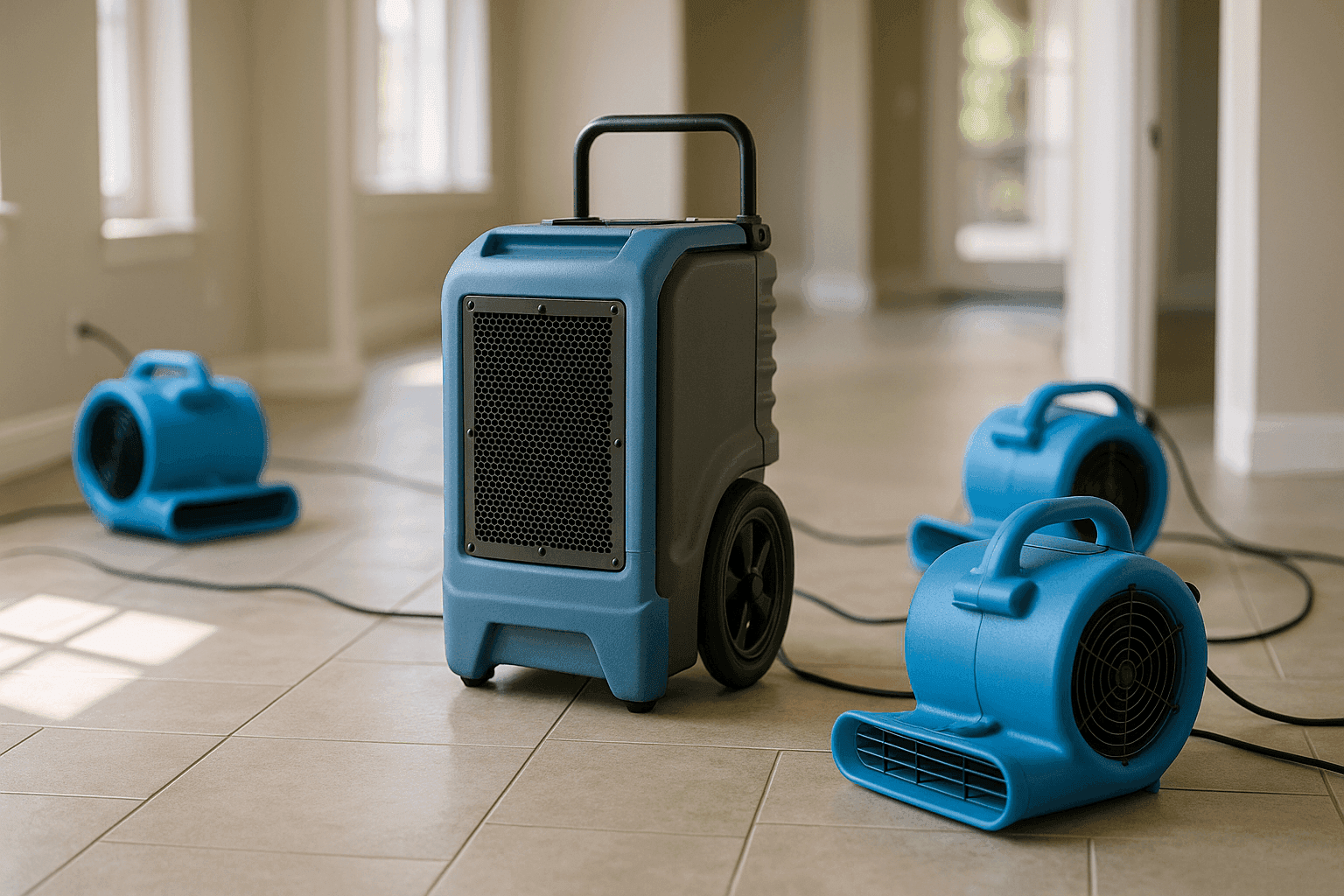
- Drying uses air movement to speed up evaporation. Think high-powered fans, air movers, and open windows.
- Dehumidification pulls moisture out of the air. Specialized machines collect water vapor so it doesn’t settle back into your walls, floors, or belongings.
Both are essential. Blowing air alone can make things worse if you don’t control humidity. You might move water from your carpet into your walls. That’s why professional restoration teams always combine both techniques.
Why Not Just Let It Air Out?
DIY methods—like opening windows or using a household fan—rarely get the job done. Home dehumidifiers are usually too small for the amount of moisture after an emergency water_damage event. Without industrial-strength equipment, hidden pockets of water can linger, feeding mold for weeks.
Professional Tools and Techniques
Restoration pros use tools designed for big jobs and hidden problems. Here’s what sets us apart:
Moisture Mapping
We use advanced moisture meters and thermal cameras to find water you can’t see. Imagine a treasure map, but the “X” marks where trouble is hiding—in the subfloor, behind drywall, under tile, or inside insulation.
- Surface meters: Check if flooring, walls, or ceilings are wet beneath the surface.
- Thermal imaging: Reveals temperature differences that point to trapped moisture.
Commercial-Grade Equipment
- High-velocity air movers: Push air across wet surfaces to speed evaporation.
- Low-grain refrigerant (LGR) dehumidifiers: Pull gallons of water out of the air each day.
- Injectidry systems: Force warm, dry air into tight spaces—like behind cabinets or inside wall cavities.
Why It Matters
With the right tools, we can dry out your home or business in days—not weeks. Faster drying means less risk of mold, less demolition, and a quicker return to normal.
Mold Prevention Best Practices 🛑
Stopping mold isn’t just about removing water. It’s about making your property inhospitable to spores.
The Science Behind Mold
Mold needs moisture, warmth, and organic material to grow. Take away the moisture, and mold can’t survive.
Steps for Effective Mold Prevention:
- Remove standing water fast: Every minute counts. Use pumps and wet vacuums for floors.
- Dry everything thoroughly: Don’t just focus on what you can see—get under carpets, behind walls, inside cabinets.
- Control humidity: Keep indoor humidity below 60%. The CDC recommends 30–50% for best results.
- Disinfect and sanitize: Use EPA-registered products to kill germs and mold spores.
- Inspect and replace damaged materials: Sometimes, drywall or insulation is too far gone and needs replacing.
Common Mistakes with DIY Drying
- Missing hidden moisture: Water seeps down and sideways, not just straight down.
- Not running fans and dehumidifiers long enough: Surfaces may feel dry but still be wet inside.
- Closing up before it’s dry: Painting, installing new flooring, or closing walls too soon can trap moisture and invite mold.
Why Professional Intervention Is Often Necessary
It’s like fixing a leaky roof with tape. DIY drying may look like it worked, but hidden pockets of water can cause trouble months later. Pros have the training, equipment, and experience to get the job done right the first time.
Plus, many insurance providers require documentation—like moisture readings and drying logs—before covering your claim. Professionals provide this, giving you peace of mind.
Practical Tips for Property Owners
- Act fast: Call for emergency water_damage help as soon as you see flooding or leaks.
- Move valuables: Get electronics, photos, and important papers to a dry, safe spot.
- Don’t use regular vacuums: Use only equipment rated for water extraction.
- Avoid switching on lights or appliances in wet areas: Risk of electric shock is real.
- Keep kids and pets away from affected rooms: Mold and bacteria can be harmful.
The Role of Moisture Mapping
Moisture mapping is like using a detective’s magnifying glass. It reveals wet spots that could be missed. Without it, you might dry the surface but leave wet insulation or framing inside your walls. This step is required for proper restoration based on guidelines from the Institute of Inspection, Cleaning and Restoration Certification (IICRC).
Common Questions About Water Damage & Mold
How fast does mold grow after water damage?
Usually within 24–48 hours. That’s why rapid drying is critical.
Can I dry out my property with just fans?
Fans help, but they’re not enough on their own. Without removing moisture from the air, you’re just moving the problem around.
What if the water is from a sewage backup?
Special protocols are needed for sewage cleanup (sometimes called “Category 3” water). Disinfection, protective equipment, and proper disposal are required for safety.
How do I know if it’s safe to keep drywall or carpet?
If it’s been wet more than 24 hours or contaminated by dirty water, replacement may be the safest choice.
Local and Seasonal Considerations 🌧️
Depending on the season, humidity levels, and building materials, drying times can vary. In humid climates, moisture removal takes longer. After storms, power outages may slow down the process, making temporary power solutions critical.
Pay attention to local weather alerts and keep emergency contacts for water_damage services near you. Knowing who to call—whether it’s for Flooring Repair/Replacement near you or full structural restoration—can make all the difference.
Final Thoughts
Professional drying and dehumidification aren’t just about cleaning up a mess. They’re about protecting your investment, your health, and your peace of mind after an emergency water_damage event.
If you’re facing water, don’t wait. Act fast. And when in doubt, bring in the professionals.
Call BTP Flood & Fire now — or reach us anytime at 877-772-9182 .