The Essential Guide to Sewage Cleanup: Safety, Disinfection, and Restoration
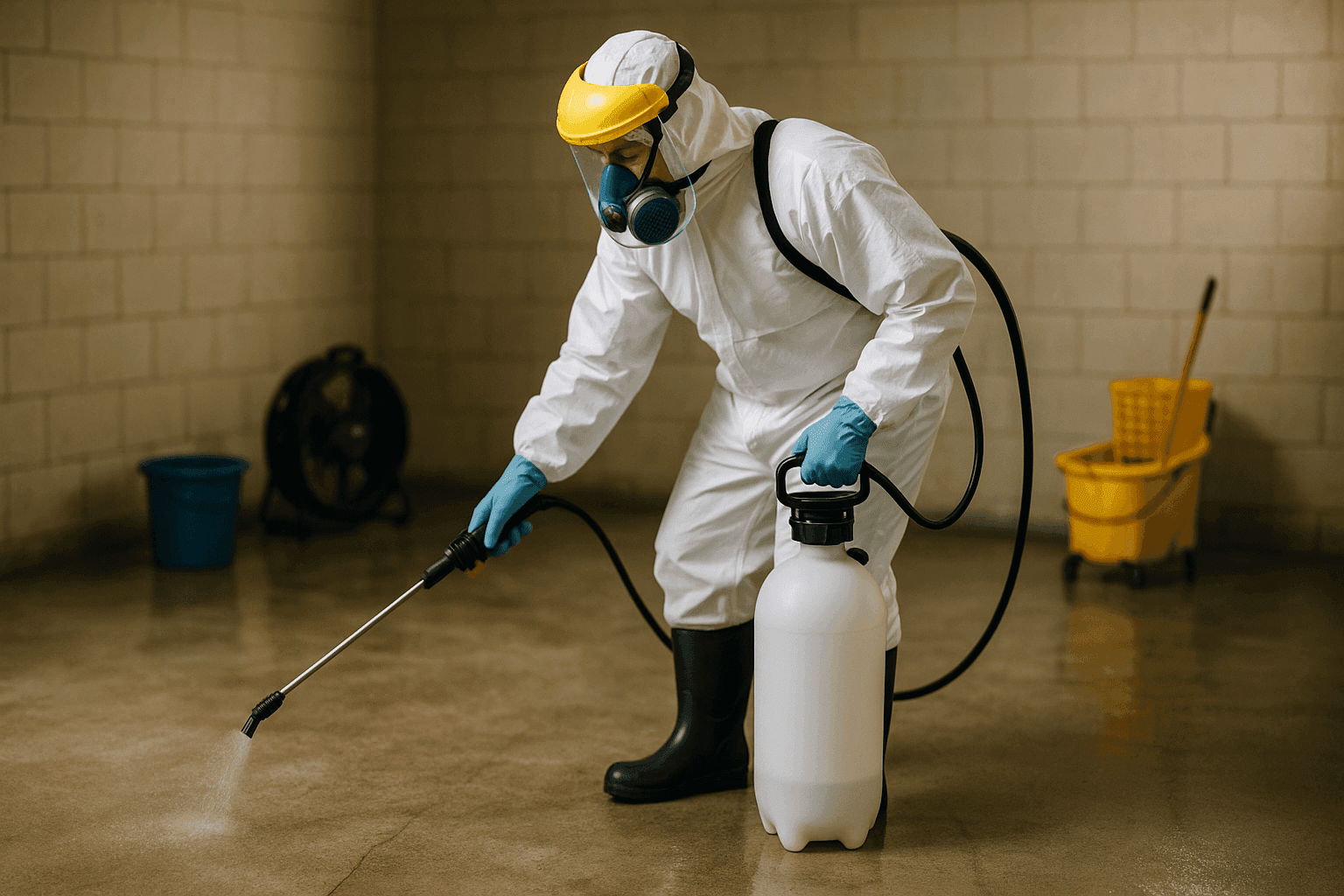
When sewage backs up into your home or business, it's more than just an unpleasant mess—it’s an emergency water_damage event that can upend your life in minutes. The smell hits first. Then the worry. What’s lurking in that water? How do you keep your family, employees, or tenants safe?
At BTP Flood & Fire, we've seen the aftermath up close. We know how fast things can spiral—and how critical it is to act quickly, safely, and with the right knowledge. Here’s your essential guide to understanding, surviving, and recovering from a sewage incident.
Health Risks of Sewage Exposure 🦠
Sewage isn’t just dirty water. It’s a toxic stew of bacteria, viruses, mold spores, and chemicals. Imagine opening Pandora’s box—except what pours out can make you very sick.
Risks include:
- Gastrointestinal infections (E. coli, Salmonella, Hepatitis A)
- Skin and eye irritation
- Respiratory issues (especially for those with asthma or allergies)
- Long-term mold growth and air quality problems
The CDC warns that even a brief encounter can cause health issues. Children, seniors, and anyone with a weakened immune system are at greater risk. And it’s not just about direct contact—germs can hitch a ride on shoes, clothes, and hands.
Immediate Safety Measures
Picture a fire drill for water. Fast, focused action can prevent injuries and contain the damage.
What to do first:
- Evacuate anyone at risk (children, elderly, pets, immune-compromised)
- Turn off electricity in affected areas if you can do so without standing in water—otherwise, call an electrician
- Avoid contact with contaminated water and items
- Ventilate by opening windows, but stay away from the mess
- Wear protection: At minimum, rubber boots and gloves
What NOT to do:
- Don’t use fans—they’ll spread contaminated particles
- Never enter rooms with standing water if the power is on
- Don’t try to salvage soft furnishings or carpet without professional help
Professional Cleanup Process
Sewage cleanup isn’t just about mopping up—it’s about restoring your space to a safe, healthy state. Like surgeons prepping for an operation, pros arrive with strict protocols and specialized tools.
Here’s how BTP Flood & Fire handles sewage cleanup:
1. Assessment & Containment
- Map the contaminated area (using moisture mapping tools)
- Seal off affected zones to stop cross-contamination
- Identify structural risks (damaged floors, drywall, framing)
2. Extraction & Removal
- Pump out standing sewage and water
- Remove all contaminated materials: carpet, drywall, insulation, debris
- Dispose of hazardous waste according to EPA and local codes
3. Disinfection & Decontamination
- Apply hospital-grade disinfectants (approved by CDC and EPA)
- Clean and sanitize all hard surfaces
- Use infection control measures to protect the rest of your property
4. Drying & Dehumidification
- Industrial air movers and dehumidifiers remove moisture fast
- Monitor for hidden dampness (using thermal imaging and moisture meters)
- Prevent mold before it starts
5. Structural Restoration
- Flooring Repair/Replacement near you, drywall repair, and framing as needed
- Odor removal and air purification
- Content restoration for salvageable belongings
Restoring Affected Areas
Getting your space back to normal takes more than cleaning. It’s about making sure every invisible danger is gone—like hunting for smoke after a fire.
Restoration steps:
- Rebuild damaged structures (flooring, drywall, framing)
- Sanitize HVAC systems and ducts
- Restore contents—furniture, documents, electronics—where possible
- Odor removal using advanced filtration
In some cases, temporary power or additional infection control measures may be needed, especially in commercial settings or healthcare facilities.
When to Call the Experts
DIY cleanup might seem doable, but sewage is a whole different beast. Imagine trying to put out a kitchen fire with a wet towel—it’s just not enough.
Call for professional help if:
- Sewage covers more than a small area
- Contaminated water has touched HVAC systems or electrical outlets
- You’re dealing with vulnerable people (kids, seniors, immune-compromised)
- You smell persistent odors or see visible mold growth
Protective Equipment: What’s Really Needed?
Think of PPE as your armor in battle. For proper sewage cleanup, this means:
- Full-body disposable coveralls
- Nitrile gloves (double-layered for severe jobs)
- Waterproof boots
- N95 or respirator masks
- Eye protection
The right gear keeps you safe from both the obvious mess and invisible threats. The Occupational Safety and Health Administration (OSHA) provides guidelines for worker safety in biohazard environments.
Practical Tips for Home & Business Owners
- Document everything: Photos, videos, inventory lists for insurance
- Don’t touch: Let professionals handle contaminated items
- Move valuables: Relocate unaffected belongings to a safe area
- Stay dry: Avoid walking through wet zones to prevent spread
DIY vs. Professional Sewage Cleanup
There are times for DIY—sewage cleanup is rarely one of them. Why? Because the risks far outweigh the reward. Home supplies can’t match the power of commercial disinfectants, high-capacity pumps, or HEPA air scrubbers.
Professional teams offer:
- Rapid response 24/7—every hour matters during emergency water_damage
- Expertise in infection control and moisture mapping
- Structural knowledge for safe repairs and reconstruction
For minor spills (clean water, small scale, no sewage), you might mop up. For anything else, call a pro.
Costs & Time Factors
No two sewage incidents are the same. Think of it like fixing a car—cost depends on the mess under the hood.
What affects the price and timeline?
- Size of the contaminated area
- Type of materials affected (hardwood vs. carpet, drywall vs. concrete)
- How quickly the cleanup starts
- Need for specialty services (mold remediation, content restoration, temporary power)
Typical range: Cleanup may take a day to several days, with full restoration often extending to a week or more for major jobs. Insurance coverage varies; check your policy and document everything.
When It’s an Emergency
Sewage backups always require urgent action. But the following situations demand immediate professional help:
- Sewage is spreading rapidly or rising
- There’s risk of electrical shock
- Occupants show symptoms (nausea, skin rash, respiratory distress)
- The property is a healthcare or food facility
If in doubt, treat it as an emergency. Fast action reduces damage and health risks.
FAQ: Common Questions
Q: Is bleach enough to disinfect after a sewage spill?
A: Bleach alone won’t cut it. While it kills some germs, it doesn’t remove all bacteria, viruses, or mold spores—especially from porous materials.
Q: How soon can we re-enter the area after cleanup?
A: Only after professional clearance and full drying. Air and surfaces must test safe for re-occupancy.
Q: Will insurance cover sewage cleanup?
A: Many policies cover “sudden and accidental” sewage backups, but specifics vary. Document everything and contact your insurer promptly.
Q: Can I just dry out the carpet and keep it?
A: No. Carpets and padding exposed to sewage must be removed and safely disposed of due to contamination risks.
Local & Seasonal Considerations
Heavy rains, aging city sewers, and tree roots can all trigger backups—especially in older neighborhoods or after major storms. In winter, frozen pipes can burst and flood basements with contaminated water. Regular plumbing checks and backflow preventers are a smart investment for both homes and businesses.
For commercial spaces, local health codes may require special reporting and cleanup protocols. Always follow local authority and CDC recommendations.
Emergencies don’t wait—and neither should you. For safe, thorough sewage cleanup, call the professionals who know how to protect your health and restore your peace of mind.
Call BTP Flood & Fire now — or reach us anytime at 877-772-9182 .