Choosing the Right Flooring Repair After Water Damage: Materials & Methods
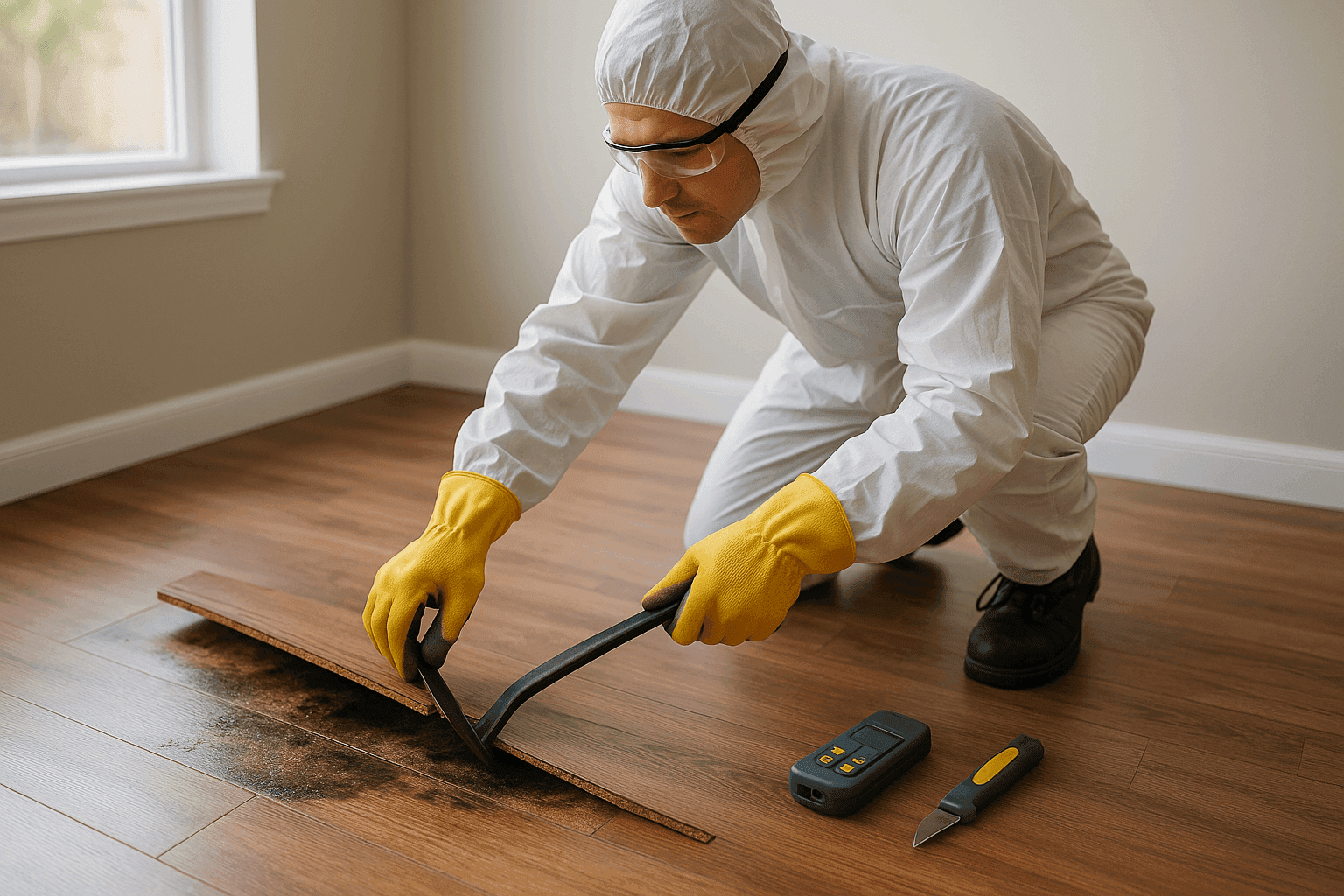
When water pours in—whether from a burst pipe, heavy storm, or hidden leak—floors usually take the first hit. The panic that follows is real. You want your space safe, clean, and restored. At BTP Flood & Fire, we’ve seen it all and know how overwhelming emergency water_damage can be, especially when it comes to your floors.
Choosing the right repair or replacement method isn’t just about looks. It’s about protecting your investment, your health, and the structure of your property—fast. Here’s a straightforward guide to help you navigate flooring decisions after water damage.
Assessing the Damage 🕵️
Before you touch a tool or call for help, get a sense of the situation:
- Type of water: Clean water from a supply line is very different from dirty floodwater or sewage. Each brings its own risks.
- How long it’s been wet: Minutes matter. The longer water sits, the deeper it seeps and the more likely mold or structural damage becomes.
- Flooring material: Hardwood, laminate, carpet, and tile each react to water differently.
- Depth of saturation: Is it just the surface, or has water soaked through subfloors and walls?
If the floor feels spongy, smells musty, or shows visible mold, the problem is deeper than you think. The U.S. Environmental Protection Agency (EPA) warns that mold can begin growing in as little as 24–48 hours after a water event.
Quick Safety Checklist
Your safety comes first. Before assessing or cleaning up:
- Shut off electricity to affected areas (if safe to do so)
- Avoid contact with standing water—especially if it may contain sewage
- Wear gloves, boots, and a mask
- Watch for sagging ceilings, loose flooring, and debris
- Keep children and pets away from wet zones
For large spills or contaminated water, always call a professional. The Centers for Disease Control and Prevention (CDC) offers clear safety guidance for post-flood cleanup.
Repair vs. Replacement: How to Decide
Sometimes the damage is skin deep. Other times, it’s like rot in an apple—hidden, spreading, and dangerous.
When Repair Might Work
- Surface water exposure (quickly dried, especially on tile or sealed wood)
- Minor swelling in laminate or engineered wood
- Carpet with clean water exposure that can be rapidly extracted and dried
When Replacement Is Safer
- Black water (sewage or floodwater) contact—for health, remove all porous materials
- Prolonged soaking (over 24–48 hours)
- Warped, buckled, or moldy floors
- Loss of structural integrity (creaking, sagging, or crumbling underfoot)
Think of it like patching a leaky roof in a rainstorm—sometimes a bandage holds, but often you need a full fix.
Best Flooring Materials After Water
Not all floors are created equal. Some bounce back after water. Others never recover.
Hardwood
- Pros: Timeless, strong, can sometimes be sanded and refinished
- Cons: Swells, warps, and stains easily; mold risk if not dried quickly
If water sits on hardwood for more than a few hours, replacement may be the only reliable fix. Subfloor damage is a common hidden danger.
Laminate
- Pros: Affordable, looks good, quick to install
- Cons: Absorbs water fast; swells and deforms; rarely salvageable after soaking
Swollen edges or bubbling are clear signs it needs to go.
Carpet
- Pros: Warm, comfortable, can sometimes be cleaned after clean-water exposure
- Cons: Traps moisture, dust, and mold; padding underneath often needs replacement
If sewage or stormwater is involved, replace carpet and padding—no exceptions.
Tile
- Pros: Water-resistant, easy to clean, durable
- Cons: Grout lines can absorb water; subfloor can still be damaged
Tiles can usually be saved if water is removed quickly, but always check beneath for hidden moisture.
Luxury Vinyl
- Pros: Highly water-resistant, flexible, easy to replace sections
- Cons: Subfloor damage possible; seams can let water through
Vinyl often fares better than wood or carpet, but a full inspection is key.
Professional Restoration Methods
Water damage is never just about what you see on the surface. Here’s how the pros at BTP Flood & Fire tackle the problem:
1. Rapid Response & Assessment
Speed matters. We arrive fast, assess the source, and stop further water from spreading.
2. Moisture Mapping
Using specialized meters, we check for hidden moisture in floors, walls, and framing. This step is like using a flashlight in a dark attic—finding trouble before it grows.
3. Water Extraction & Drying
Powerful vacuums and pumps remove as much water as possible. Then high-speed fans and commercial dehumidifiers get to work. Sometimes, we lift or remove sections of flooring to dry subfloors.
4. Disinfection & Mold Remediation
All affected surfaces are cleaned and sanitized. If mold is found, we follow IICRC S500 standards for safe removal.
5. Repair or Replacement
Damaged flooring is removed with minimal disruption. We offer flooring repair/replacement near you, using durable materials that fit your needs and budget.
6. Structural Restoration
If framing or subfloors are affected, we repair or replace as needed—restoring your space from the foundation up.
Mold Risk: What You Need to Know
Mold is the silent troublemaker. It creeps in when moisture lingers—sometimes behind walls or under floors. According to FEMA, anything that can’t be fully cleaned and dried within 24–48 hours should be removed.
- Watch for musty odors, discoloration, or allergy-like symptoms.
- Mold can cause health issues, especially for those with asthma or weakened immune systems.
- Always use proper protective gear if cleaning up mold yourself.
When in doubt, call a certified mold remediation professional.
Flooring Repair/Replacement Near You: Pros & Cons
Repair
- Shorter downtime (sometimes)
- Lower cost (if caught early)
- May not address hidden or future issues
Replacement
- Long-term solution
- Removes all water-damaged and mold-prone material
- Higher upfront cost
- Longer disruption, but safer for severe cases
It’s a bit like fixing a cracked windshield—sometimes you can patch, but if the cracks run deep, full replacement is the only smart move.
Practical Steps for Homeowners & Businesses
- Document damage for insurance—photos, videos, and notes
- Remove valuables and furniture from wet areas
- Never use standard fans or heaters in heavily saturated zones—this can spread mold spores
- Work with certified contractors who follow local building codes and safety standards (see OSHA and IICRC guidelines)
How Long Does Restoration Take?
Every job is different. Small clean-water spills? Maybe a few days. Large, contaminated floods? Weeks. Restoration depends on:
- Area size and material
- Amount of water
- Mold or contamination
- Drying speed and equipment used
Plan for some disruption, but prioritize safety over speed.
Frequently Asked Questions
Will my insurance cover flooring repair/replacement?
Most standard homeowners and commercial policies cover sudden emergency water_damage, but not gradual leaks. Check your policy or ask your agent.
Can I save money by repairing only the visible damage?
It’s risky. Water often seeps where you can’t see. Surface fixes can leave mold and rot behind, costing more in the long run.
How do I prevent future water damage?
Regularly inspect plumbing, roofs, and appliances. Install water alarms in high-risk areas. Maintain tile/grout seals, and keep gutters clear.
Is it safe to stay in my property during repairs?
If water is clean and damage is minor, you may be able to stay. For major flooding, sewage, or mold, it’s safer to relocate until cleanup is complete.
Local & Seasonal Considerations
Water damage isn’t just about floods or storms. In colder climates, frozen pipes can burst and soak floors. In humid areas, slow leaks can cause mold even without standing water. Always adapt your flooring choice and maintenance to your climate.
- Tile and vinyl hold up well in damp coastal or flood-prone regions.
- Engineered wood is more stable than solid hardwood in areas with big temperature swings.
- Keep emergency contacts and a water shutoff plan ready before storms or freeze events.
When It’s an Emergency
If water is still pouring in, or you see signs of sewage, warped floors, or mold—don’t wait. The clock is ticking, and every minute matters for your property and health.
Need help now?
Call BTP Flood & Fire now — or reach us anytime at 877-772-9182 .