Preventing Water Damage During Seasonal Storms: A Homeowner’s Guide
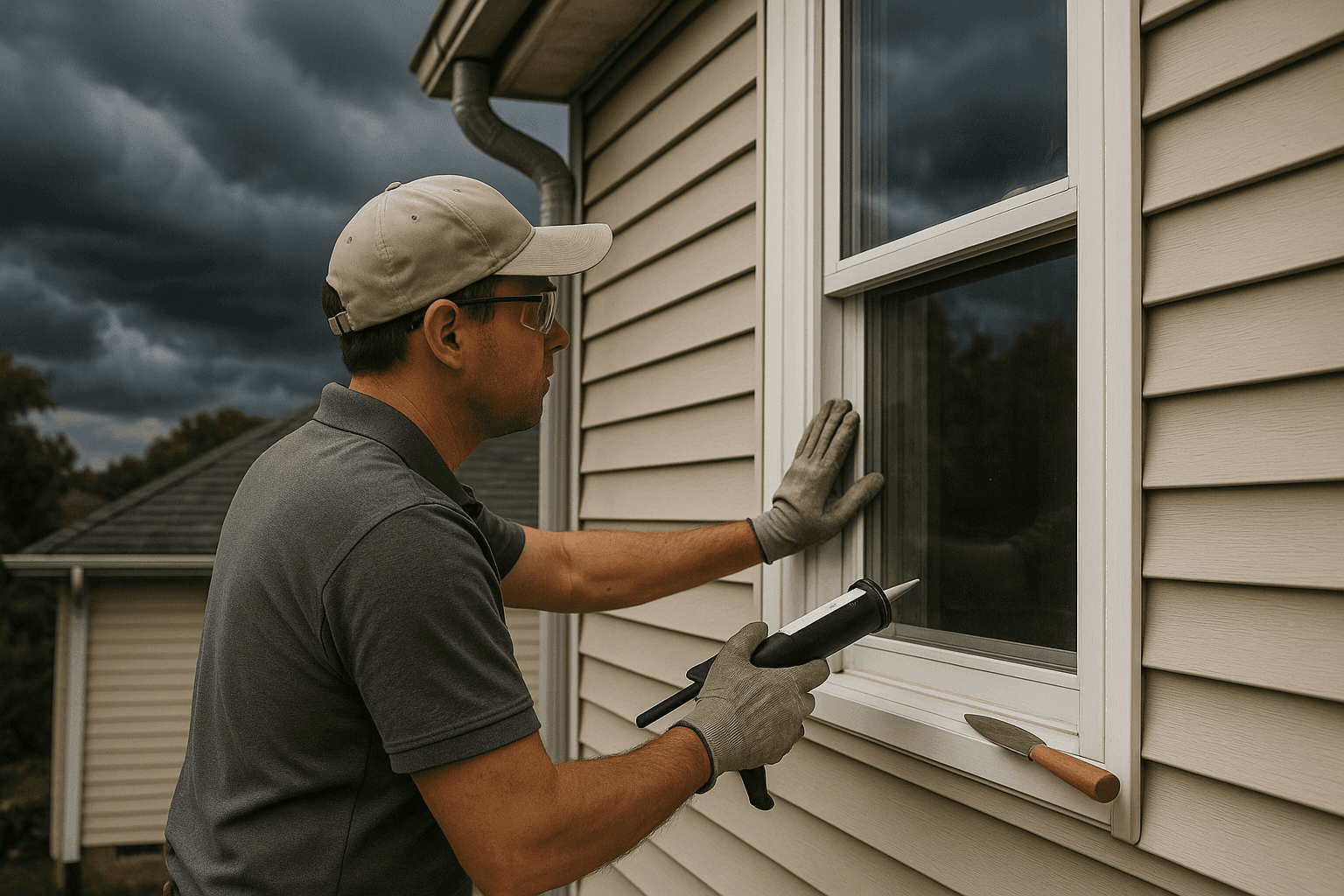
When the skies darken and thunder rolls, every homeowner feels that familiar knot of worry. Will the roof hold? Is the basement safe? Seasonal storms can turn a peaceful evening into a scramble against rising water and costly repairs.
Water damage doesn’t wait. At BTP Flood & Fire, we’ve seen firsthand how fast a leak can become a flood, and how critical early action is. This guide arms you with practical, proven steps to protect your home or business—before, during, and after the storm.
Understanding Seasonal Storm Risks ⚡
Storms are nature’s wild cards. One moment, all is calm. The next, wind and rain hammer your property. But what actually causes water damage during these events?
- Heavy Rainfall: Gutters overflow, drains back up, and water seeps through cracks.
- Wind-Driven Rain: Strong gusts force water under shingles and around poorly sealed windows.
- Flash Flooding: Streets become rivers, overwhelming your yard and foundation.
- Saturated Soil: Water pools around your home, searching for any way in.
- Fallen Trees or Debris: Broken limbs can shatter windows or damage roofs, opening new paths for water.
According to the Insurance Institute for Business & Home Safety (IBHS), even a small leak during a storm can lead to mold, rot, and expensive repairs if not addressed quickly.
Pre-Storm Preparation Checklist
Preparation is your best defense. Think of it as putting on a raincoat before stepping into a downpour. Here’s your actionable checklist:
- Clean Gutters and Downspouts: Remove leaves and debris so water flows away from your property.
- Inspect and Seal Leaks: Check windows, doors, rooflines, and foundations for cracks or gaps. Use caulk or weatherstripping as needed.
- Grade Landscaping: Make sure the ground slopes away from your home. This helps direct water toward the street, not your basement.
- Check Sump Pumps: Test pumps and battery backups. Consider a water alarm for early warning.
- Secure Outdoor Items: Bring in or tie down patio furniture, grills, and garbage bins. Loose items can damage your home or block drains.
- Trim Trees and Shrubs: Remove dead branches that could fall and cause damage.
- Install Window Well Covers: Prevent rainwater from pooling against basement windows.
- Review Roof and Flashing: Look for missing shingles or loose flashing. Water finds the smallest opening.
A few hours of preparation can save weeks of headaches later.
Emergency Supplies and Planning
When a storm hits, seconds count. Be ready with:
- Wet/Dry Vacuum: For minor water intrusion.
- Plastic Sheeting and Tarps: Quick cover for broken windows or roof leaks.
- Sandbags: Place near doors or low windows if flooding is expected.
- Flashlights and Batteries: Power outages are common during storms.
- First Aid Kit: For minor injuries.
- Important Documents: Store insurance papers, photos, and contacts in a waterproof container.
- List of Emergency Contacts: Include your insurance company and BTP Flood & Fire’s 24/7 line.
Create a family or business emergency plan. Assign roles, know where to meet, and practice your response. The Federal Emergency Management Agency (FEMA) recommends reviewing your plan every season.
When to Call Professionals
Sometimes, the water wins. Here’s when you need to bring in the pros:
- Standing Water: Any pooled water that can’t be removed with a mop or small pump.
- Sewage Backups: These are hazardous and require specialized cleanup.
- Mold Smell or Visible Growth: Mold can spread in as little as 24–48 hours.
- Structural Damage: Cracked walls, sagging ceilings, or warped floors.
- Electrical Hazards: If outlets or wiring are wet, leave the area and call for help.
BTP Flood & Fire is equipped for rapid response—24/7. Our teams handle everything from water extraction and drying to full reconstruction and mold remediation.
Industry Best Practices for Water Damage Prevention
The National Fire Protection Association (NFPA) and the Institute of Inspection Cleaning and Restoration Certification (IICRC) set the gold standard for water damage response. Here’s what they recommend:
- Act Fast: The sooner water is removed, the less damage occurs.
- Dry Thoroughly: Use professional-grade dehumidifiers and air movers.
- Sanitize: Clean all affected surfaces to prevent bacteria and mold.
- Document Everything: Take photos and notes for insurance.
We follow these guidelines every time—so you can trust the job is done right.
Long-Term Prevention & Maintenance
Storm season comes every year. Make prevention part of your regular routine:
- Schedule Annual Roof Inspections: Catch small problems before they become leaks.
- Maintain Gutters and Drains: Clean at least twice a year—more if you have trees nearby.
- Update Landscaping: Keep soil sloped away from your foundation.
- Check for Hidden Moisture: Use moisture meters or have a professional conduct a moisture mapping assessment.
- Upgrade Windows and Doors: Modern, well-sealed units provide better protection.
- Test Sump Pumps Regularly: Don’t wait for a storm to find out yours doesn’t work.
A little maintenance goes a long way toward keeping your home safe and dry.
Costs & Time Factors
Water damage restoration can range from a quick fix to a major project. Here’s what to expect:
- Minor Leaks: May take a few hours and minimal materials.
- Basement Flooding: Could require days of drying, cleaning, and repairs.
- Mold Remediation: Can add time and cost, especially if growth is widespread.
- Structural Repairs: Damaged drywall, flooring, or framing may require reconstruction.
Every situation is unique. Acting fast limits damage and keeps costs down.
When It’s an Emergency
Not sure if it’s urgent? Here are clear signs you need immediate help:
- Rising Water: Floodwaters are entering your home or business.
- Electrical Risks: Water is near outlets, appliances, or your breaker panel.
- Sewage: Any sign of sewage requires professional cleanup for safety.
- Unexplained Odors: Musty, earthy smells can signal hidden mold or rot.
- Health Symptoms: Coughing, headaches, or allergies after water intrusion.
In these cases, don’t wait. Call for emergency water_damage services right away.
Frequently Asked Questions
How soon should I act after water damage?
Immediately. The first 24–48 hours are critical. The longer water sits, the greater the risk of mold and structural issues.
Can I clean up minor water damage myself?
Small spills or leaks can often be handled with towels and fans. But if water soaks into walls, floors, or insulation, it’s best to call professionals to avoid hidden damage.
What should I do if I find mold after a storm?
Avoid disturbing it. Mold spores spread easily. Call a certified mold remediation specialist like BTP Flood & Fire.
How do I know if my home is at risk during storms?
Check for past leaks, poor drainage, and the age of your roof and windows. Regular inspections help identify risks before storms hit.
Special Considerations for Water Damage Services
Every property is different. Older homes may have more vulnerable foundations or outdated plumbing. Commercial buildings face unique challenges, such as protecting inventory and maintaining operations. Infection control and disinfection are especially important after contaminated water events.
BTP Flood & Fire brings experience across all property types. We use advanced moisture mapping, temporary power solutions, and industry-standard cleaning protocols to ensure your space is safe and restored as quickly as possible.
Storms may be unpredictable, but your response doesn’t have to be. Preparation and quick action make all the difference. If you’re facing emergency water_damage—or want to prevent it before the next storm—reach out to the team that’s ready 24/7.
Call BTP Flood & Fire now — or reach us anytime at 877-772-9182 .