When to Replace vs. Repair Drywall After Water Damage
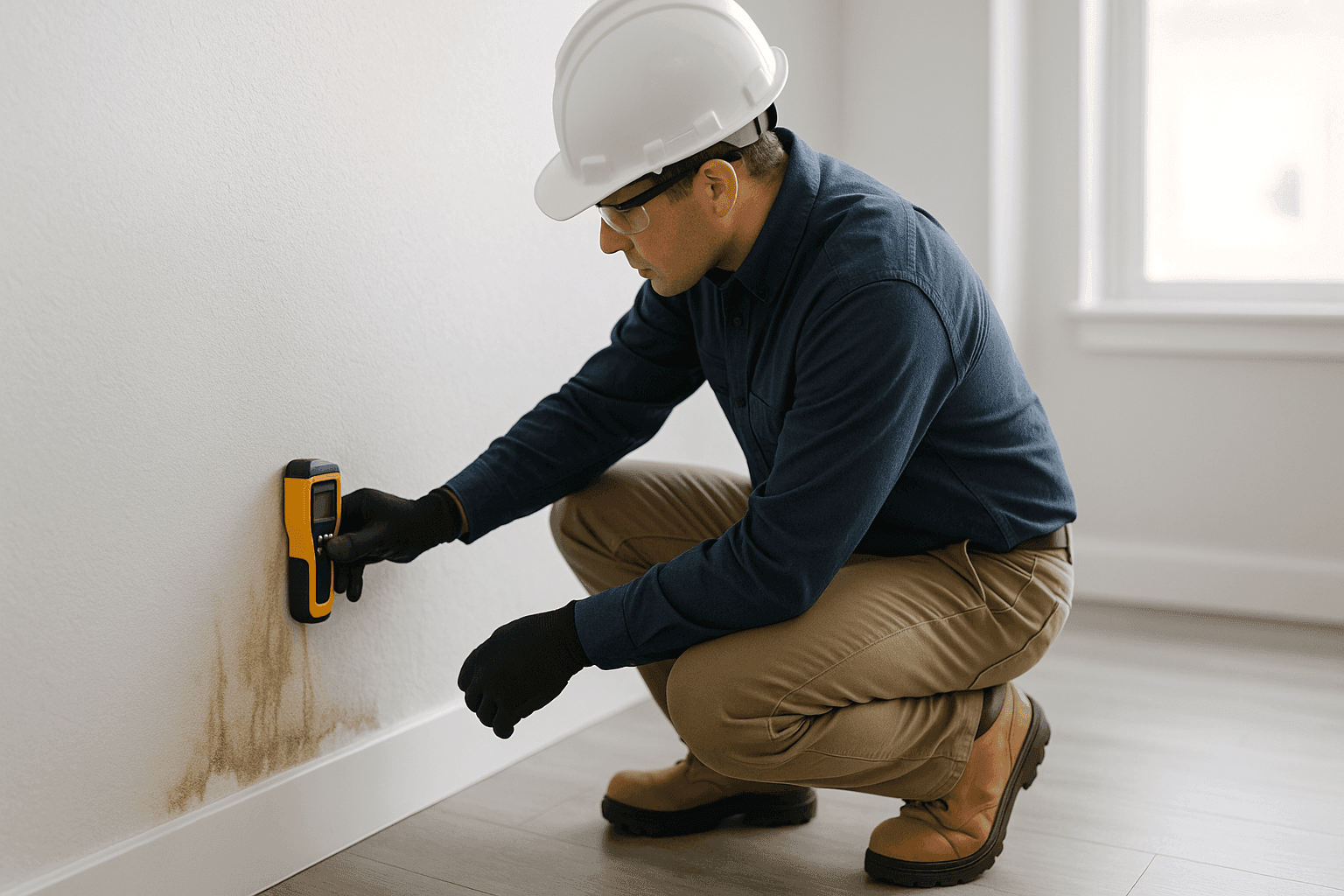
Water and drywall: a combination that rarely ends well. In an emergency water_damage situation, every minute counts. Whether you own a home, a business, or manage rental property, you need clear answers fast.
At BTP Flood & Fire, we see the aftermath of burst pipes, severe storms, and unexpected floods every day. We know how overwhelming it feels. The big question: can you save your drywall—or is it time to let it go? Let’s break it down step by step.
Assessing Drywall Damage
Water can seep into drywall like coffee into a napkin. Sometimes the damage is right on the surface—other times, it hides, growing worse by the hour. The first step is to assess how deep the problem runs.
Look for these signs:
- Staining and discoloration. Yellow or brown spots often mean water has been sitting for a while.
- Softness or sagging. Press gently—if the drywall feels spongy or bends, the core may be compromised.
- Bubbling or peeling paint. Water trapped behind paint pushes outward, causing bubbles or flakes.
- Visible mold or musty odors. Mold isn’t just unsightly; it signals ongoing moisture and possible health risks.
- Warping or buckling. Panels that seem wavy or uneven often have absorbed too much water to recover.
Don’t stop at what you see. Moisture can hide deep in walls. Use a moisture meter if you have one, or call a professional for a more thorough check. The right assessment could be the difference between a simple patch and a costly reconstruction.
Repair vs. Replacement Criteria
Not all water-damaged drywall needs to be torn out. Sometimes, a little repair goes a long way. Other times, replacement is the only safe choice.
When Repair Might Work
- Damage is minor and localized. Small stains or limited wet spots can often be dried and patched.
- No visible mold. If you act within 24–48 hours and mold hasn’t appeared, repair is often possible.
- Wall structure remains solid. If pressing on the area feels firm and the surface is intact, repairs are usually safe.
When Replacement is Safer 🚨
- Extensive saturation. If large drywall areas are wet, especially if insulation behind is soaked, replacement is the wisest route.
- Mold growth is visible or suspected. The EPA and CDC note that drywall with mold should be removed—not just cleaned—since spores may linger deep inside.
- The drywall crumbles, sags, or falls apart. This means structural integrity is lost.
- Sewage or contaminated water is involved. Gray or black water exposure (as defined by the Institute of Inspection, Cleaning and Restoration Certification, IICRC) requires full removal for health reasons.
It’s like patching a worn tire—sometimes it’s safe, sometimes not. If in doubt, replacement is the safest bet.
Health and Safety Concerns
Water-damaged drywall isn’t just an eyesore. It can threaten your health and safety in real ways.
- Mold and mildew risk. Mold spores can trigger allergies, asthma, or worse. The CDC warns that even small patches can pose problems, especially for children or those with compromised immunity.
- Compromised structure. Wet drywall loses its strength. It can collapse without warning, risking injury.
- Contaminated water. Floods or sewage leaks introduce bacteria and chemicals that standard cleaning can’t remove.
Always wear gloves, a mask, and goggles when inspecting or handling wet drywall. If you suspect contamination or extensive mold, leave the area and call in professionals trained in infection control and mold remediation.
Professional Restoration Options
DIY repairs can help with minor damage, but some situations need more than a patch and a coat of paint. Here’s what professional restoration teams like BTP Flood & Fire bring to the table:
- Moisture Mapping: Using specialized sensors to find hidden water, even behind walls and under floors.
- Content Restoration: Salvaging belongings like furniture, electronics, and important papers.
- Advanced Drying Techniques: Industrial dehumidifiers, fans, and negative air pressure systems to draw out moisture fast.
- Sanitizing and Disinfection: Treatments to stop mold and bacteria in their tracks, crucial for infection control.
- Full Reconstruction: From drywall replacement to Flooring Repair/Replacement near you, pros rebuild what water destroyed.
Why Pros Make a Difference
Professionals follow industry standards (like IICRC S500 and S520) and local building codes for safety. They know when drywall is salvageable—and when it’s a hidden hazard.
How to Check for Hidden Issues
Think of water damage like an iceberg. What you see isn’t always what you get.
- Check behind baseboards and trim. Moisture can lurk here, spreading without obvious signs.
- Inspect insulation. Wet insulation can keep drywall damp long after the surface seems dry.
- Look for persistent odors. A musty smell is a clue that water or mold remains.
- Use a moisture meter. Even if drywall feels dry to the touch, hidden moisture can linger.
If you’re ever unsure, an assessment from an emergency water_damage professional is the safest move.
The Pros and Cons: Repairing vs. Replacing
Let’s weigh the options.
Repairing
Pros:
- Faster and less disruptive
- Lower upfront cost
- Good for small, early-stage damage
Cons:
- Won’t work if mold or structural damage is present
- Might not address hidden issues
Replacing
Pros:
- Removes all damaged material and potential contaminants
- Resets the area for a fresh start
- Reduces long-term mold and odor risk
Cons:
- More time-consuming
- Higher cost
- May require repainting and refinishing
Practical Tips for Property Owners
- Act fast. The longer water sits, the worse the damage.
- Turn off electricity to affected areas. Water and electricity don’t mix.
- Document the damage. Take photos for insurance and restoration planning.
- Ventilate. Open windows and run fans (if safe) to help drying.
- Don’t just paint over stains. This traps moisture and mold.
Frequently Asked Questions
How soon should I address water-damaged drywall?
Immediately. Mold can start growing within 24–48 hours. Delay increases risks.
Can I just cut out the wet section and patch it?
Yes, for minor, early-stage damage. But if the damage is widespread or moldy, full replacement is best.
Is it safe to stay in my property during repairs?
If mold or contaminated water is involved, it’s safer to relocate until cleanup is complete.
How do I know if my drywall is dry?
A moisture meter is the most reliable tool. Professional restoration teams use these to confirm dryness before repairs.
Costs & Time Factors
Every emergency water_damage job is unique, so costs and timelines vary.
- Repairing small patches can take a few hours to a day.
- Full replacement might require several days, especially if drying, mold remediation, or reconstruction is involved.
- Cost factors: Extent of damage, materials needed, labor, and whether mold or contamination is present.
Insurance may cover some or all costs, especially for sudden, accidental water damage. Always check your policy and keep detailed records.
Local and Seasonal Considerations
Heavy storms, winter freezes, and sudden thaws can all lead to emergency water_damage. In some regions, humidity stays high year-round—making prompt drying and dehumidification even more critical. If you live in an area prone to flooding or big temperature swings, routine checks and quick action will save you headaches (and money) later.
When It’s an Emergency
If water is still entering your property, electrical outlets are wet, or you detect a strong mold or sewage smell—step away and call for emergency water_damage help right away. Don’t take chances with your safety.
When water strikes, the right choice for your drywall can make all the difference for your property’s health and your peace of mind. For rapid response, clear answers, and 24/7 emergency service, you can always reach out to BTP Flood & Fire.
Call BTP Flood & Fire now — or reach us anytime at 877-772-9182 .